
Buying acreage for a barndominium in Oklahoma means buying more than dirt. Mineral rights in Oklahoma are often owned separately from the surface, and that can give someone else a legal right to use part of your land. Easements for pipelines, power lines and access roads can also limit where a home, shop or septic system can go. None of this is unusual, but it needs to be understood before you close. This guide explains how surface and mineral ownership work, what the law says about drilling on your land, and which documents to check before you build.
Why Mineral Rights Matter When Buying Land in Oklahoma
Oklahoma has a long history of oil and gas production, and that history shows up in land titles. Over decades, many owners sold or kept the minerals when they sold the surface. The result is that the person selling you land may own only the surface, with the minerals held by someone else, sometimes split among several heirs.
For a barndominium buyer, this matters for three practical reasons:
- A mineral owner or lessee may have the right to access the surface to drill
- Existing wells, pipelines and lease roads may already limit where you can build
- Recorded easements can block the best building site on the parcel
Active drilling may never happen on your parcel. But finding out after closing that a pipeline crosses the only flat building pad is a problem that could have been caught with the right checks.
What Are Surface Rights?
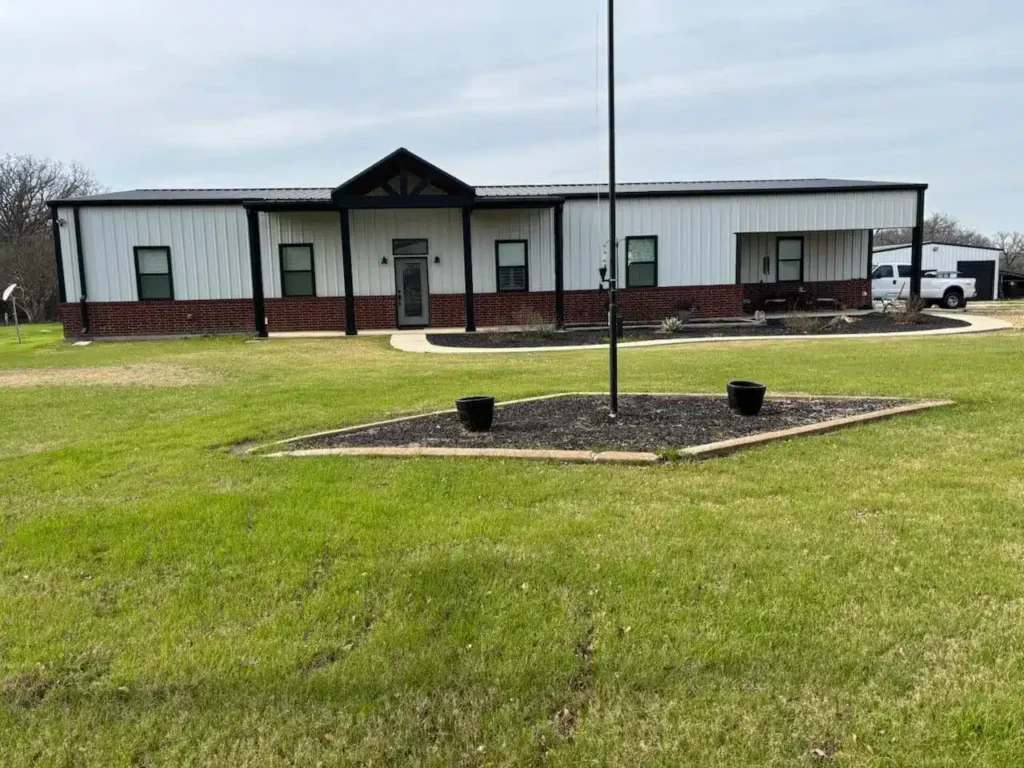
Surface rights are the ownership of the land itself: the soil, the ground you build on and the right to use it for a home, farming or other purposes. When you buy a typical residential lot, you usually expect to own the surface outright.
In Oklahoma, the surface and the minerals beneath it can be owned separately. When that happens, the land is called a split estate, or severed estate. You can own the surface completely while someone else owns the oil, gas and other minerals underneath.
What Mineral Rights Include
Mineral rights are the ownership of what lies beneath the surface, such as oil and natural gas. A mineral owner can lease those rights to an operator, who then has the right to explore and produce under the lease and state regulations. The Oklahoma Corporation Commission regulates oil and gas activity in the state, including drilling and well operations.
Surface Rights vs Mineral Rights: Who Has Priority?
The balance of surface rights vs mineral rights is where most buyers get surprised, because the two do not carry equal weight. Under general split-estate principles, the mineral estate is usually treated as dominant. That means the mineral owner or lessee typically has a right to reasonable use of the surface to reach the minerals, even if they do not own the surface.
In practice, that can include:
- Building a well pad and access road
- Laying flowlines or pipelines
- Bringing in heavy equipment for drilling and completion
Oklahoma law does not leave surface owners without protection, though. The state has a specific statute that governs how operators deal with surface owners before drilling.
The Oklahoma Surface Damages Act Explained
The Oklahoma Surface Damages Act, found at 52 O.S. sections 318.2 to 318.9, sets rules for how operators deal with surface owners. The Oklahoma Supreme Court has described its purpose as balancing the interests of mineral owners and surface owners.
Under the Act, the operator must negotiate with the surface owner over damages before entering the property with heavy equipment. If the parties cannot agree, the Act provides a process for determining damages. The law defines the surface owner as the owner of record of the surface where drilling will occur, so it matters that your deed is properly recorded.
The Act also includes a provision on how close wellbores can be to certain structures. Because the details and court interpretations can be technical, have an Oklahoma attorney explain how the Act applies to a specific parcel. The key point for buyers is simple: the Act gives surface owners rights to negotiation and compensation, but it does not usually give them a right to stop development of the minerals.
Questions about minerals or easements on land you are considering?
Easements: The Other Thing That Limits Your Building Site
An easement gives someone else a right to use part of your land for a specific purpose. Easements are recorded with the county and usually stay with the land when it is sold. Even without active drilling, easements can shape a barndominium site as much as mineral ownership does.
Common easements on Oklahoma acreage include:
- Pipeline easements for oil, gas or water lines
- Utility easements for power lines, phone or fiber
- Access easements that let a neighbor or another owner cross the property
- Road and drainage easements held by the county or another public body
You generally cannot build a home over an easement, and many carry setback requirements on either side. A pipeline easement through the middle of a parcel can split the usable area in two. When you are evaluating land for a barndominium, review the easement map alongside soil and drainage.
Access Easements and Landlocked Parcels
Some rural parcels do not touch a public road and rely on an easement across neighboring land. Confirm that the access easement is recorded, wide enough for construction traffic and allows residential use. A handshake agreement with a neighbor will not hold up in a title review, and it gives no legal right of way to heavy equipment delivering steel.
Buying Land With Mineral Rights in Oklahoma: What to Ask
Buying land with mineral rights included is ideal for some buyers, but it is not always possible. Either way, ask the right questions before you sign.
- Does the seller own any of the minerals, and will they transfer with the land?
- Are there active oil and gas leases on the property?
- Are there existing wells, plugged wells or old well sites?
- Are there pipelines, flowlines or lease roads on the parcel?
- Has the seller signed any surface damage or surface use agreements?
- What easements are recorded, and where exactly are they?
Even if you do not get the minerals, knowing who owns them and whether they are leased tells you how likely surface activity is. Oil and gas development is more common in some parts of the state than others, so a parcel in Western Oklahoma may raise different questions than one in a heavily wooded area farther east.
Documents to Check Before You Close
The answers to most of these questions are in the county records. In Oklahoma, the abstract of title is a compiled history of deeds, liens, easements and other recorded documents for the property.
- Abstract of title and title opinion: an attorney examines the abstract and gives an opinion on ownership and recorded encumbrances
- Title commitment: shows what a title policy will cover and what it excludes
- Survey: shows easements, boundaries and improvements on the ground
- Recorded leases and agreements: oil and gas leases, surface use agreements and right-of-way documents
One point surprises many buyers: title insurance generally covers the surface title and not severed minerals. Ask the title company what the policy excludes, and ask the examining attorney to address mineral ownership separately from the surface.
Why Heirship Matters
Mineral interests are often passed down through families for generations. Some chains of title depend on probate records or recorded affidavits of death and heirship. This can make it hard to identify every current mineral owner, which is one more reason to rely on a professional title examination.
Want help checking a parcel before you close?
How Mineral Rights and Easements Affect Financing and Building
If you are financing the build, lenders will want to know that the home site is secure and that nothing recorded against the property will interfere with the collateral. Severed minerals, active leases or easements near the building site can lead to extra questions during underwriting. Getting barndominium financing guidance early helps you prepare the documents a lender is likely to ask for.
For construction, the main concern is placement. The home, shop, driveway, septic system and any future outbuildings all need to fit around easements and any existing oil and gas infrastructure. A turnkey barndominium builder in Oklahoma can lay out the site plan around these limits before drawings are finalized.

Regional Differences Across Oklahoma
Mineral and easement issues are not spread evenly across the state. Parcels near areas of past or current oil and gas activity are more likely to have severed minerals, leases and pipelines. Rural acreage in Central Oklahoma may also sit near growing suburbs, which adds utility and road easements to the mix.
These differences are part of a wider pattern. Soils, weather, permits and land use all change from region to region, which we cover in more depth in our article on what makes Oklahoma different from other states.
Common Mistakes Barndominium Buyers Make
- Assuming the minerals transfer with the land because the listing does not mention them
- Relying on a title policy without reading its mineral exclusions
- Choosing a building site before mapping recorded easements
- Ignoring old well sites or pipeline markers during a site visit
- Skipping a survey on rural acreage to save money
Each of these can be avoided with a title review, a survey and a site walk before closing. Experienced Oklahoma barndominium builders will ask about minerals and easements during land evaluation for exactly this reason.
Where This Fits in the Build Process
Checking minerals, surface rights and easements belongs in the land due diligence stage, before design and well before construction. It sits alongside soil, drainage, septic and access checks. For the full sequence, see our guide to building a barndominium in Oklahoma from start to finish.
Conclusion
Split estates are common in Oklahoma, and owning the surface does not always mean controlling everything that happens on it. Mineral owners and their lessees can have rights to use the surface, while the Surface Damages Act gives surface owners rights to negotiation and compensation. Easements for pipelines, utilities and access can shape the building site just as much. The practical answer is a proper title examination, a survey and a careful site walk before closing. With that information, you can choose a parcel and a building site that work for the long term.
Frequently Asked Questions
Do mineral rights transfer with the land in Oklahoma?
Not automatically. If the minerals were severed by a previous owner, they stay with whoever holds them, and the seller may own only the surface. A title examination will show who owns the minerals and whether any interest transfers with the sale.
Can an oil company drill on my land if I don’t own the mineral rights?
Yes, an operator with a valid lease from the mineral owner can generally use the surface reasonably to develop the minerals, subject to state regulation. Under the Oklahoma Surface Damages Act, the operator must negotiate surface damages with the surface owner before entering with heavy equipment. An Oklahoma attorney can explain how this applies to a specific property.
What is the difference between surface rights and mineral rights?
Surface rights cover the land itself and its use, such as building a home or farming. Mineral rights cover resources beneath the surface, such as oil and gas. In Oklahoma, the two can be owned by different people, which creates a split estate.
Does title insurance cover mineral rights in Oklahoma?
Title insurance generally covers the surface title, not severed minerals. Ask the title company which mineral exclusions apply to your policy. For mineral ownership, rely on an attorney’s examination of the abstract of title.
Can I build a house over a pipeline easement?
Generally no. Pipeline easements usually restrict structures on or near the easement area, and some include setback requirements. Check the recorded easement document and survey before choosing a building site.